





Which Shampoo for Oily Scalp Works Best? A Simple, Science-Backed Guide


An oily scalp is one of the most common hair concerns, especially in humid climates like India. Excess oil can make hair look flat, greasy, and unclean, even shortly after washing. While frequent shampooing may seem like the solution, using the wrong product often worsens the problem.
Choosing the right shampoo for oily scalp is essential, not only to remove oil but also to maintain long-term scalp health. Here we explore what causes an oily scalp, how shampoos work to control oil, and how to choose the best option based on your scalp’s needs.
First, Let’s Fix the Confusion: Is Oily Scalp a Problem?
Short answer: No.
Your scalp produces oil to protect your hair. The issue starts when:
-
Oil mixes with sweat, dust, and product buildup
-
Shampoo strips too much oil, triggering even more oil production
If your scalp feels greasy soon after washing, it’s a sign of an imbalance, not excess dirt. You don’t need a stronger shampoo. You need a balanced shampoo for oily scalp.
What Is an Oily Scalp?
An oily scalp occurs when the sebaceous glands produce an excessive amount of sebum. Sebum is necessary to protect the scalp and hair, but overproduction leads to:
-
Greasy roots
-
Flat, limp hair
-
Faster buildup of dirt and pollution
-
Frequent need for washing
Oiliness is influenced by genetics, hormones, climate, lifestyle, and product usage.

Common Causes of Excess Oil on the Scalp
1. Overactive Sebaceous Glands
Some scalps naturally produce more oil than others. This is often genetic and can worsen during hormonal changes.
2. Climate and Sweat
Heat and humidity increase sweating, which mixes with oil and makes hair feel greasy faster. This is especially common in India.
3. Pollution and Buildup
Dust and pollutants cling to oil, clogging scalp pores and making oil harder to remove with regular washing.
4. Incorrect Shampoo Choice
Harsh shampoos strip natural oils, triggering the scalp to produce even more oil as compensation.
Buy Sulfate Free Shampoo for All Hair Types:


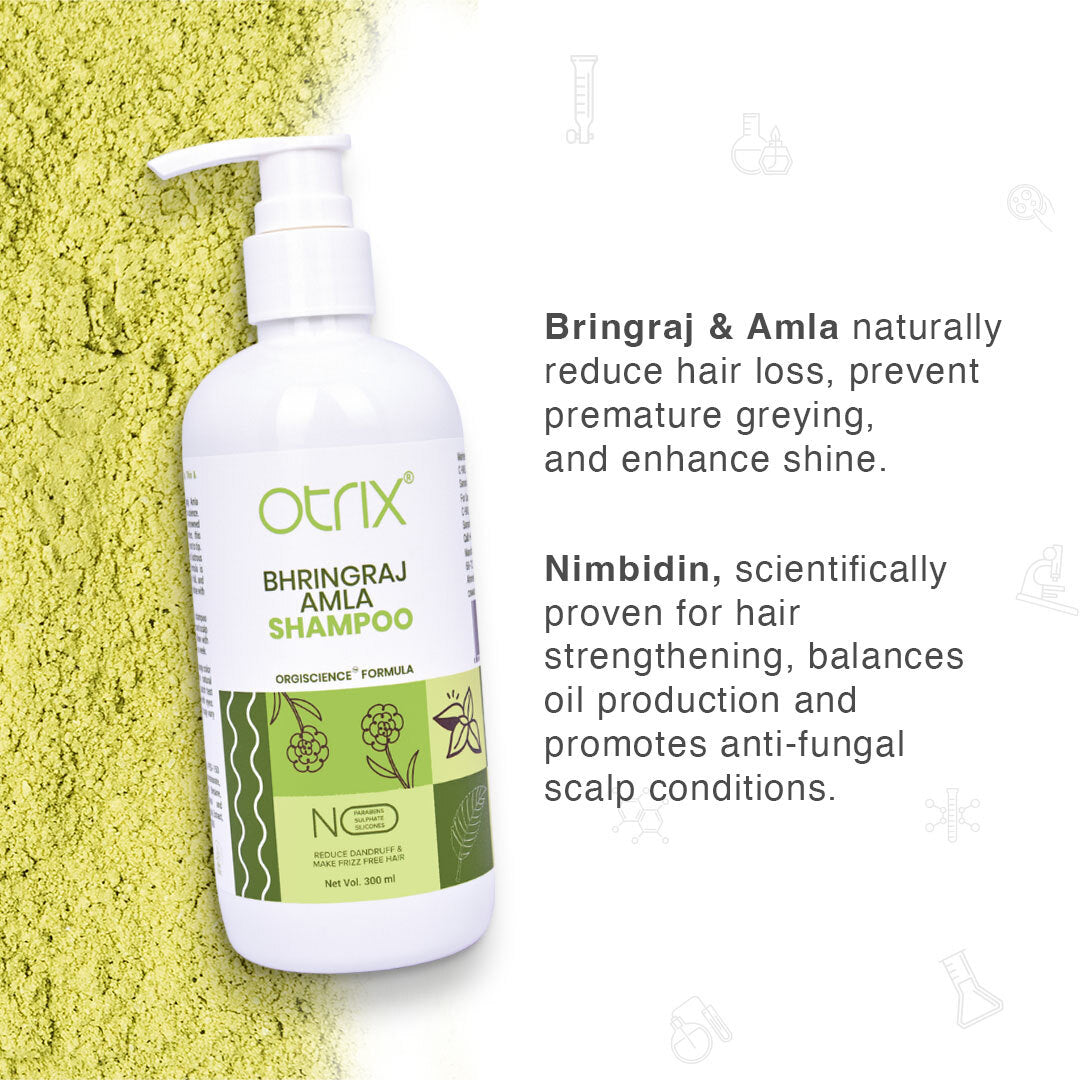


How does a Shampoo for Oily Scalp Works?
A well-formulated shampoo for oily scalp works in three important ways:
-
Cleanses excess oil without stripping essential moisture
-
Removes buildup from sweat, dirt, and styling products
-
Maintains scalp balance, helping regulate oil production over time
Shampoos that focus only on deep cleansing without balance may offer short-term freshness but lead to increased oiliness later.
Key Ingredients to Look for in a Shampoo for Oily Scalp
Not all ingredients work equally for oily scalps. The most effective formulas combine cleansing agents with scalp-balancing actives.
Apple Cider Vinegar
-
Helps maintain scalp pH
-
Controls excess oil
-
Reduces greasy buildup
Activated Charcoal
-
Absorbs oil and impurities
-
Deep-cleans scalp pores
-
Ideal for polluted or sweaty scalps
Green Tea
-
Rich in antioxidants
-
Helps calm oily and irritated scalp
-
Supports overall scalp health
These ingredients help cleanse the scalp without triggering rebound oil production.
Shampoo for Oily Scalp in India: What to Consider?
When choosing a shampoo for oily scalp in India, it’s important to consider:
-
Hot and humid weather
-
Frequent sweating
-
Exposure to pollution
-
Need for regular washing
Formulas designed for Indian conditions focus on effective cleansing while remaining gentle enough for frequent use.
Which Shampoo Is Best for Your Oily Scalp?
Instead of asking “Which shampoo is best?”, ask: “What kind of oily scalp do I have?”
Scenario 1: Hair Turns Greasy Within 24 Hours
If you feel the need to wash your hair almost daily, your scalp likely needs oil regulation, not stronger cleansing.
Best match: Otrix Apple Cider Vinegar Shampoo
Why it works:
-
Maintains scalp pH
-
Reduces excess oil over time
-
Keeps hair fresher between washes
This is ideal for people searching for the best shampoo for oily scalp that doesn’t dry hair out.
Scenario 2: Scalp Feels Heavy, Sticky, or Polluted
If your scalp feels weighed down, especially after being outdoors, oil mixes with pollution and sweat.
Best match: Otrix Activated Charcoal Shampoo
Why it works:
-
Pulls out oil and impurities
-
Clears clogged scalp pores
-
Leaves scalp lighter and more breathable
Perfect for urban users dealing with buildup-related oiliness.
Scenario 3: Oily Scalp With Itching or Mild Flakes
Sometimes oiliness is accompanied by discomfort.
Best match: Otrix Green Tea Shampoo
Why it works:
-
Soothes oily, irritated scalp
-
Helps manage flakes linked to excess oil
-
Supports scalp comfort
This option suits sensitive oily scalps.
👉 Pro Tip: An oily scalp doesn’t mean hair growth has to suffer. In fact, excessive oil and buildup can block follicles and weaken roots over time. Using a balanced shampoo that controls oil while keeping the scalp healthy creates the right environment for stronger, healthier hair. If hair fall or weak roots are also a concern, explore this guide on the best shampoo for hair growth to understand how scalp care and growth support work together.
How to Use Shampoo Correctly for Oily Scalp?
Even the best shampoo for oily scalp won’t work if used incorrectly.
Follow this routine:
-
Apply shampoo only to the scalp
-
Massage gently for 30-40 seconds
-
Rinse thoroughly; residue causes more oil
-
Apply conditioner only on mid-lengths and ends
How Often Should You Wash Oily Hair?
-
Very oily scalp: Every alternate day
-
Moderately oily scalp: 2-3 times a week
Washing too often with harsh shampoos can worsen oiliness over time.
Common Habits That Make Oily Scalp Worse
-
-
Daily use of clarifying shampoos
-
Applying conditioner on scalp
-
Excessive brushing
-
Using dry shampoo too often
Fixing these habits can improve oil control even without changing products.
-
Which Shampoo Is Best for My Hair Scalp to Remove Oils?
The best shampoo for oily scalp is not the strongest one; it’s the most balanced one.
If your shampoo:
-
Cleans effectively
-
Maintains scalp health
-
Prevents rebound oil
You’ll naturally need to wash less often.
Otrix shampoos are designed for Indian scalp conditions, focusing on oil control without damage, making them a reliable choice for long-term scalp balance.